

Written By John Baker CSCS & Lily Hoog-Fry RYT-E of Swell Movement & Longevity
What is Toe Spread
‘Toe spread’ describes the natural, healthy alignment of your toes, where they splay outwards, acting as true extensions of your metatarsal bones. If you observe an anatomical diagram, you'll notice how these bones naturally fan out, a design crucial for optimal foot function. Many people, however, wonder, “But my feet don’t look like that at all, why?”
The answer lies in the widespread use of restrictive modern shoes. This pervasive practice of wearing tight footwear deforms our feet, essentially molding them into the scrunched shape of our shoes. This socially acceptable "foot binding" restricts the movement and strength of the big toe and little toes, forcing them out of their natural positions. Over time, this can significantly increase the risk of developing painful and debilitating conditions such as plantar fasciitis, hammer toes, flat feet, bunions, and general foot pain.
Fortunately, you can counteract the negative effects of conventional footwear. This guide will provide simple yet effective exercises to restore foot health and highlight the importance of choosing unbinding footwear options.
A Note About the Benefits of Toe Spacers / Toe Spreaders
Toe spacers, often also called toe spreaders, offer the most accessible starting point for improving toe alignment. Consistent use of **toe spacers** is crucial for maximizing foot health, allowing the intrinsic foot muscles to realign and operate from their intended biomechanical angles.
Wearing conventional shoes compresses your toes, much like a rubber band. **Toe spacers** work in direct opposition, gently pushing your toes apart. This action creates new length-tension relationships throughout the foot, which is a sophisticated way of saying they help return your foot to a natural, more functional shape.
Among the many options, our top recommendation is **Correct Toes**. These stand out because they effectively spread the toes without causing any compression. While cheaper alternatives might seem appealing, many can constrict the toes, impeding blood flow. Furthermore, some less effective options aggressively bind the **big toe** and the fifth toe, inadvertently preventing the very benefits they claim to offer. Investing in a high-quality product like **Correct Toes** might seem more expensive initially, but it is significantly less costly than enduring future foot pain and related medical expenses.
We strongly advise wearing **Correct Toes** as much as possible to complement your foot exercises. This combined approach will have the most profound impact on overall foot health and help prevent future foot problems. If you need a pair, we have you covered, here.
Busting Up Scar Tissue and Adhesions
To properly care for our feet, we must first address the deformed and stuck tissue that accumulates over years of wearing constricting shoes. While this process might not be immediately comfortable, it's simpler than it sounds, and many, including us, learn to appreciate it over time.
We highly recommend the **Neuro Ball** by Naboso. This tool is similar to a lacrosse ball but features a unique textured surface that provides enhanced sensory input. This ribbed texture offers a distinct stimulus to the brain that a smooth ball cannot, thereby heightening proprioception. This improved sensory feedback helps the nervous system integrate new information more quickly, facilitating better tissue release and movement.
To begin, place the **Neuro Ball** on the floor and position your foot over it. Start by gently rolling the ball along the plantar fascia (the sole of your foot), moving from the heel bone towards your toes. Pay attention to any tender spots you encounter and make a mental note of their locations, as we will return to them shortly. After several passes in this manner, begin rolling the **Neuro Ball** side to side across your foot. Again, if you find any tender areas, remember them, as we will address these next.
Next, separate the **Neuro Ball** into its two halves. If you don't have a **Neuro Ball** that separates, the Acumobility Ball is another excellent option. Both tools are designed to sit flat on the floor, preventing them from rolling away, which makes targeting those tender spots much easier.
Place the flat side of either tool on the ground, then position one of your feet on the rounded side, carefully aligning it with a tender spot you noted earlier. This might not be the most pleasant sensation you'll experience today, but it’s a crucial step. Press the tender spot firmly into the domed side of the device, slowly leaning into it and applying more body weight as needed. Allow your foot to deform slightly, spreading the metatarsal bones over the tool.
The goal here is to create ischemic compression. This "fancy way of saying" we apply moderate, sustained pressure to temporarily restrict blood and lymphatic flow. This action signals the nervous system to release the knot, allowing fresh blood to perfuse the area. Some individuals prefer to hold this compressed position for 60-120 seconds, while others opt for shorter intervals of 10-20 repetitions, each lasting 5-6 seconds. Choose the method that feels most effective for you.
Time for Toe Stretches
While addressing foot knots and adhesions provides immediate relief and increased range of motion, these improvements are often transient. Therefore, the next crucial step is to actively move into this newfound range, and finally, to load it.
Big Toe Extensions - For this drill, we'll once again utilize the Acumobility Balls. If you haven't acquired them yet, you can find them here. Begin by placing only your **big toe** on the domed part of the ball, keeping the rest of your foot grounded. The **big toe** should be significantly extended and stretched back towards your foot. Gradually lean into the stretch until you reach an intensity level of about 6-7 out of 10.
Similar to the ischemic compression technique, you can either hold this stretch for 60-120 seconds, or perform 10-20 repetitions, each lasting 5-6 seconds, oscillating between a 5-8/10 intensity. It is extremely important to specifically target the **big toe**. The **big toe** possesses a greater range of motion and plays a more significant role in foot function than the other toes. If you only stretch all your toes simultaneously, you might not be providing enough stimulus to the **big toe** to induce meaningful change.
Foot Love - Made famous by the renowned Chris Duffin, "foot love" is an indispensable exercise for initiating toe spreading. You might wonder, "Doesn't sticking my fingers between my toes achieve the same effect as **toe spacers**?" The answer is both yes and no.
While both methods spread your toes, the "foot love" exercise offers a unique way to actively engage the toe and foot muscles. By interlacing your fingers between your toes, you gain the ability to circumduct your wrists, providing a novel and comprehensive stretching stimulus to the toes, feet, and ankle complex simultaneously. Think of "foot love" as the active, dynamic counterpart to passive **toe spacers**.
There's no single "right" or "wrong" way to perform foot love; it will become significantly more comfortable with practice. Focus on what you can comfortably achieve initially and gradually strive for improvements in range of motion as you become more familiar with the drill.
Loading the Foot, Locking in Adaptation
To solidify the progress and gains made through myofascial work and stretching, we must now introduce load to the foot. Remember, strategic loading is what drives adaptation and tissue remodeling, making these changes lasting. For maximum benefit, select exercises that engage not only the foot but also the entire body, which is crucial for strength athletes and anyone seeking improved overall physical function.
6" Side Step Down - This is one of our absolute favorite exercises for cultivating strong, functional feet and ankles. Begin by finding a stable surface approximately 6 inches high, such as the bottom stair of a staircase if you're at home. If you have your **toe spacers** readily available, put them on for this exercise to enhance the effect.
Once positioned on your step, actively spread your toes as much as possible, centering your weight through the middle of your foot. Maintain a stable "tripod foot" throughout the movement, ensuring pressure is distributed evenly between the base of your big toe, the base of your little toe, and your heel. Slowly bend the working leg until the heel of your non-working foot lightly taps the ground, then push back up by engaging your glute (hip socket), rather than your back.
It is paramount that you maintain good balance through the center of your foot for the ENTIRE duration of the exercise. If you find yourself rolling to the outside of your foot, shifting all your weight forward to the ball of your foot, or allowing your arch to collapse, these are compensatory patterns we want to avoid reinforcing. Refer to the video demonstration of this drill to ensure correct form.
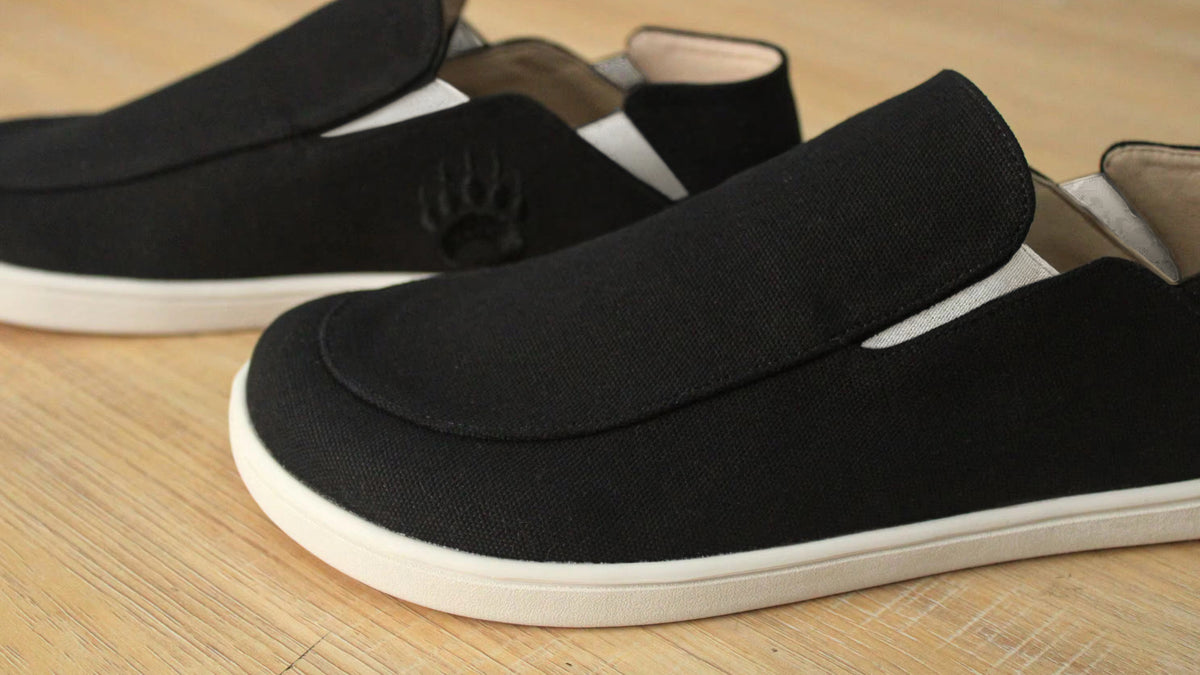
Walking Barefoot or in Bearfoot Shoes - Walking is often underestimated, but it provides excellent stimulus for the foot. We highly recommend walking in Bearfoot Shoes (or similar wide toe box shoes if necessary) while wearing your **Correct Toes**. However, there are a few key considerations to keep in mind for your walks.
If this is your first time walking with **toe spacers**, avoid attempting record distances. Even if it doesn't feel challenging from a cardiovascular perspective, your feet are experiencing a completely new way of moving and require a gradual easing-in period, despite the long-term health benefits.
Crucially, ensure you actively extend through your toes with each stride, consciously preventing them from bunching up again. You’ve put in significant work to lubricate and mobilize your foot tissues; now, maximize that effort by utilizing the full, newly acquired range of motion with every step.
Wrapping It Up
Achieving proper toe spread is not overly complicated, but it certainly isn't effortless. It demands consistent application of simple strategies over time. Generally, you should begin by breaking down adhesions and promoting tissue movement through compression or massage. Once this initial work is done, transition to active stretches that specifically target the tissues you’ve just worked on, allowing them to fully explore the new foot mobility you've cultivated.
Finally, it's essential to load the tissue through functional physical activity. This step acts as the "save button" for your progress, facilitating the transfer of these improvements to your sport or daily life. By consistently incorporating these three elements, you will undoubtedly achieve noticeable toe-spreading results.


